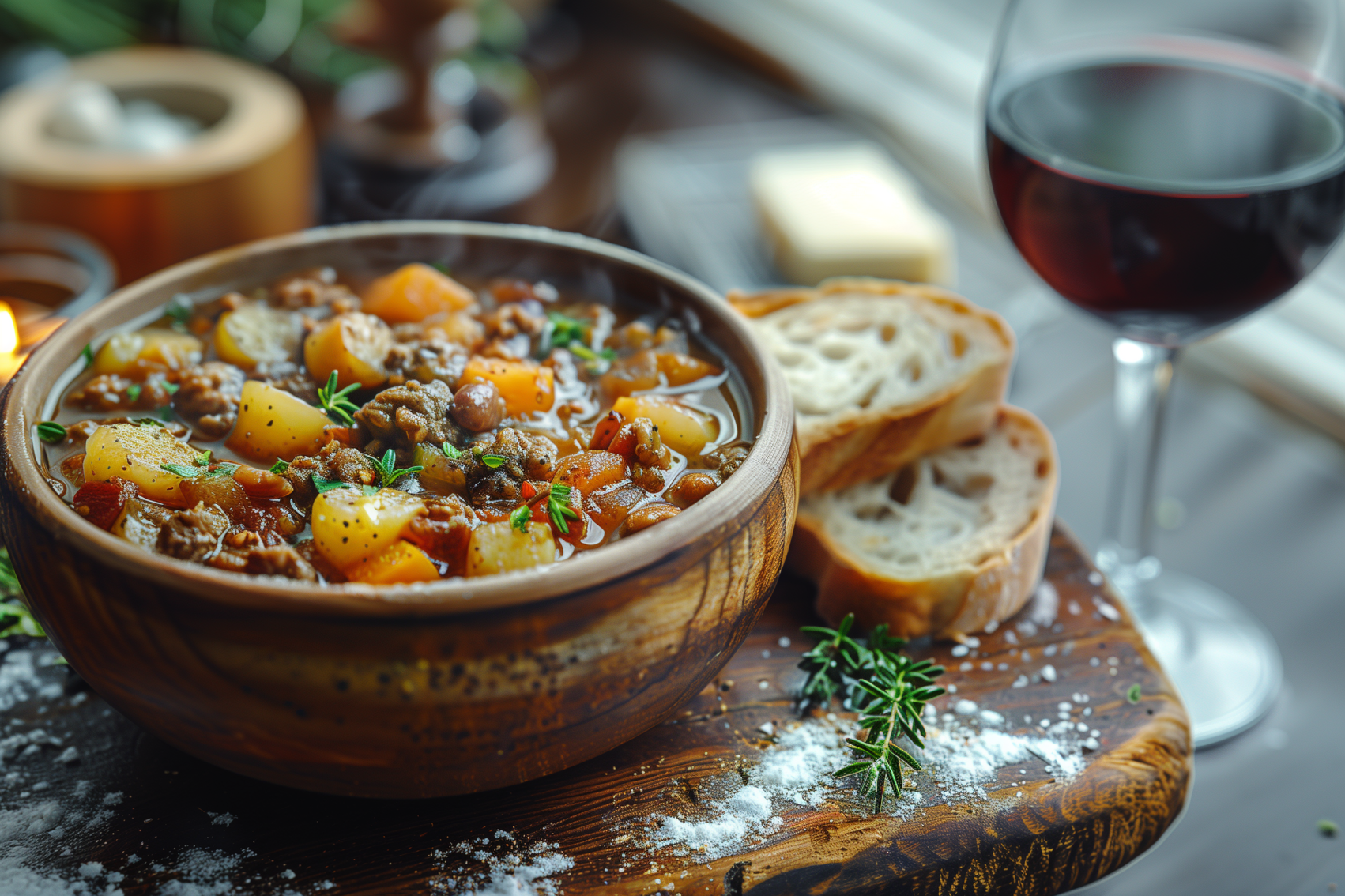
There is a moment that happens in every good kitchen, and it is never during the plating. It is not when the table is set or when the wine is poured. It happens earlier, usually quietly, when you are standing at the counter with your sleeves pushed up, deciding what kind of night this meal is going to be.
Not what you are cooking. What kind of night.
That decision changes everything.
I learned this the long way, through years of cooking too hard for the wrong moments. I chased complexity when what I needed was comfort. I over simplified when the evening deserved something deliberate. It took time to realize that good cooking is less about recipes and more about reading the room, even when the room is just you.
Chefs understand this instinctively. Home cooks often do not, and that is not a failure. It is just a difference in training. A professional kitchen teaches you to think in systems and sensations rather than instructions. You are not asking what should I make, but rather how do I want this to feel when it lands on the table.
This is why the best meals rarely start with a recipe.
They start with a temperature. A season. A mood.
Winter cooking is where this idea becomes unavoidable. Cold weather does not tolerate indecision. Your body wants warmth, depth, and something that unfolds slowly. You can fight that instinct with salads and smoothies if you want, but you will feel the resistance. Winter rewards those who lean in.
This is where a chef would tell you to stop thinking about novelty and start thinking about foundation.
A good winter meal begins with fat and time. Butter, olive oil, rendered animal fat, or even the quiet richness of dairy. Time spent browning, simmering, resting. These are not steps to rush through. They are the meal before the meal. They are what make your house smell like something is happening long before anyone eats.
One of the most useful lessons I ever learned from a chef was deceptively simple. He said that if you want food to taste expensive, cook it longer than you think you should. Not hotter. Not fancier. Longer.
This applies whether you are making soup, braised meat, roasted vegetables, or even something as humble as onions. Especially onions.
Most people cook onions until they soften. Chefs cook onions until they transform. The difference between translucent and deeply golden is the difference between background noise and quiet authority. It is also the difference between a meal that feels finished and one that feels rushed.
When you approach cooking with this mindset, recipes become suggestions rather than rules. You stop asking what comes next and start asking what is missing.
Salt? Probably.
Acid? Almost always.
Texture? More than you think.
A winter meal should have contrast, even if it is subtle. Something soft, something with bite. Something rich, something clean. Chefs build this instinctively, but home cooks can learn it by paying attention to what makes them pause mid bite.
If you are eating and your fork keeps moving without thought, something is missing. If you stop for a second, even unconsciously, that is where the balance lives.
This is why a bowl of soup can feel complete or forgettable depending on one small decision. A drizzle of good olive oil at the end. A spoon of crème fraîche instead of cream stirred in too early. A handful of herbs added off the heat rather than cooked into submission.
A chef would tell you to finish with intention.
That does not mean garnish everything. It means decide what the final note should be. Peppery, bright, grassy, sharp, or indulgent. The finish is not decoration. It is punctuation.
I once watched a chef serve a simple lentil soup that had been simmering all afternoon. Brown lentils, onion, garlic, carrot, stock. Nothing dramatic. But just before serving, he added a squeeze of lemon and a spoonful of yogurt to each bowl, then cracked black pepper directly on top.
It was extraordinary.
Not because it was clever, but because it was complete. The lemon lifted the richness. The yogurt softened the earthiness. The pepper gave it a reason to be hot.
That is what most home cooking lacks. Not skill, but finishing.
This idea extends beyond soup and into the entire rhythm of a meal. Think about how you start and how you end.
A chef rarely opens a winter dinner with something heavy. Even if the main course is rich, the opening is designed to wake the palate. Something small, maybe warm, but not dense. A broth. A salad with bitterness. A slice of bread with good butter and salt.
Bread, by the way, is never an afterthought in a serious kitchen. It is a tone setter. If the bread is good, people relax. If the bread is extraordinary, they trust you.
You do not need to bake it yourself, although that can be wonderful. You do need to treat it like part of the experience. Warm it. Slice it properly. Serve it with intention.
A chef would never drop a plastic bag of bread on the table.
That same respect should follow every element, including the ones you think do not matter. Water should be cold or warm on purpose. Wine should be poured at the right moment, not just when someone remembers. Plates should be warm when the food wants warmth and cool when it wants crispness.
None of this is about perfection. It is about awareness.
When you cook like this, you stop chasing restaurant food and start creating something better. Not more impressive, but more personal. Restaurants cook for strangers. You are cooking for people you know. Or for yourself, which deserves just as much care.
One of the most liberating things you can do as a home cook is stop trying to replicate dishes and start borrowing principles.
Instead of asking how do I make this exactly, ask why this works.
Why does this stew feel comforting rather than heavy? Why does this roast chicken taste deeper than another one you have made? Why does this pasta feel balanced even though it is simple?
The answers are almost always structural. Proper seasoning. Layered cooking. Restraint.
Restraint is the hardest lesson.
Chefs know when to stop. Home cooks tend to add. Another spice. Another topping. Another step. The instinct is understandable. You want to make it special. But often the thing that makes a dish feel confident is the absence of clutter.
A perfect winter braise does not need five competing herbs. It needs one or two used well. It needs salt early, not just at the end. It needs space to reduce and concentrate.
A chef would tell you to trust the ingredient you chose.
If you bought good meat, let it taste like meat. If you bought beautiful vegetables, let them be themselves. Your job is not to disguise them. It is to support them.
This mindset changes how you plan meals too. Instead of thinking in courses, think in arcs. Where do we start. Where do we build. Where do we land.
A winter dinner might begin with something warm and light. Move into something deeper and slower. End with something that feels like a soft landing rather than a sugar rush. Baked fruit. Custard. Something spoonable and calm.
Dessert does not have to shout. In fact, the best winter desserts often whisper.
This is something chefs understand deeply. After richness, you want comfort, not fireworks. A bowl of vanilla custard with roasted pears can feel more luxurious than an elaborate cake if it is done well.
Again, finish matters. A pinch of salt in dessert is not optional. It is essential.
If there is one chef suggestion I would give to anyone trying to cook better at home, it is this. Slow down the moments that matter and speed up the ones that do not.
Spend time browning. Spend time tasting. Spend time letting things rest.
Do not spend time fussing over plating if it stresses you out. Do not overthink presentation if it pulls you out of the experience. A well cooked dish served simply will always feel better than a mediocre one served beautifully.
There is a quiet confidence in food that has been cooked with care and served without apology.
You can feel it when you sit down. The table does not feel like a performance. It feels like an invitation.
That is what people remember.
Not the exact seasoning. Not the technique. They remember how it felt to be there. Warm. Considered. Unrushed.
Cooking is one of the last places in modern life where we can still control time. We can decide to let something simmer. We can decide not to multitask. We can decide to be present for an hour.
A chef would tell you that this presence shows up on the plate.
And they would be right.
So the next time you step into the kitchen, do not ask what should I cook tonight. Ask what kind of night am I making.
Then cook for that answer.
Everything else will follow.