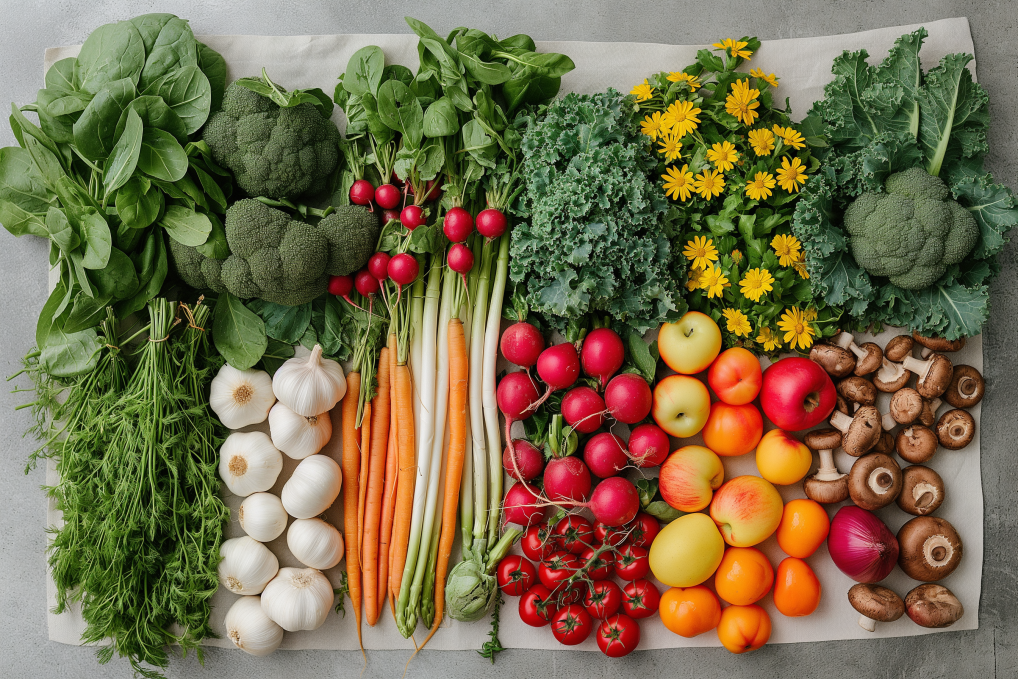
Cooking with the seasons is one of the simplest ways to elevate your meals. When ingredients are at their peak, they taste fuller, brighter, sweeter, and more complex without needing much effort. Chefs know this instinctively. They build menus around what the earth is offering right now, not what happens to be in the back of the fridge.
Seasonal cooking isn’t about following trends. It’s about listening to nature. It’s about understanding that food tastes best when it’s harvested at the right moment, handled with care, and paired with complementary flavors that highlight its natural beauty.
Here is your guide to seasonal ingredients and the chef-driven ways to use them.
Spring
Spring ingredients are fresh, tender, and green—a welcome shift after winter’s hearty comfort foods. Chefs use this season to highlight brightness and delicate flavors.
In-season stars include
• asparagus
• peas
• radishes
• artichokes
• morel mushrooms
• fresh herbs
• early strawberries
What chefs do with them
Chefs keep spring ingredients crisp, bright, and barely dressed. Asparagus might be shaved raw into salads or roasted lightly with lemon. Peas get blended into silky soups or folded into risotto for a pop of sweetness. Morels are sautéed in butter and spooned over pasta. Fresh herbs are added at the last moment for aroma.
The rule: keep everything light, green, and full of life.
Summer
Summer is abundance. The produce is juicy, sun-ripened, and bursting with flavor. Chefs let the ingredients lead and intervene as little as possible.
In-season stars include
• tomatoes
• corn
• zucchini
• cucumbers
• peaches
• berries
• fragrant basil
What chefs do with them
Summer ingredients shine with minimal cooking. Tomatoes become fresh sauces or simple salads with olive oil and sea salt. Corn can be grilled, shaved raw, or puréed into chilled soups. Zucchini becomes ribbons tossed with lemon or charred on the grill. Peaches are caramelized lightly and served over burrata.
The rule: use high heat or no heat at all.

Get Chef Recipes to Your InBox
✓ Meal Plans
✓ Shopping Lists
Fall
Fall brings warmth and earthiness. Chefs shift toward deeper flavors, roasting, and slow cooking to highlight the season’s richness.
In-season stars include
• squash
• sweet potatoes
• apples
• pears
• mushrooms
• Brussels sprouts
• sage
What chefs do with them
Fall ingredients love the oven. Squash becomes velvety soups or roasted wedges with herbs. Brussels sprouts are halved and caramelized until deep and nutty. Apples and pears are cooked down into compotes or sliced into savory salads. Mushrooms add umami to everything from pasta to grain bowls.
The rule: lean into caramelization and warmth.
Winter
Winter ingredients are sturdy, grounding, and meant for comfort. Chefs use slow heat, bold seasoning, and rich textures to bring them to life.
In-season stars include
• leeks
• cabbage
• citrus
• beets
• potatoes
• carrots
• hearty greens
What chefs do with them
Leeks gently sauté into sweet, silky bases for soups. Cabbage roasts into crisp, caramelized wedges. Beets are paired with creamy or tangy elements to balance their sweetness. Citrus brightens braises, marinades, and dressings. Potatoes and carrots become the foundation for cozy, cold-weather meals.
The rule: build depth and finish with brightness.
How to Cook Seasonally Without Overthinking It
Seasonal cooking doesn’t need to be complicated. Start with one guiding question.
What ingredient is at its absolute best right now?
Let that ingredient lead. Build the rest of the dish around it. Follow the cues chefs use:
• Highlight the ingredient’s natural sweetness, acidity, or freshness
• Use cooking techniques that fit the season
• Season thoughtfully with herbs, spices, and contrasting textures
• Finish with a bright, fresh, or creamy element to pull it all together
When you cook with the seasons, your meals naturally feel more vibrant, more balanced, and more joyful.
Let the Seasons Change the Way You Cook
Nature gives us everything we need to cook beautifully. Each season offers a different palette of flavors, textures, and aromas. The more attuned you become to these rhythms, the more intuitive your cooking will feel.
Seasonal eating is not about restriction. It is about possibility. It’s about knowing when a peach is perfect, when asparagus is at its sweetest, when a squash is worth turning into soup, and when citrus can brighten the darkest months.
Let the seasons guide you, and your kitchen will always feel alive with inspiration.