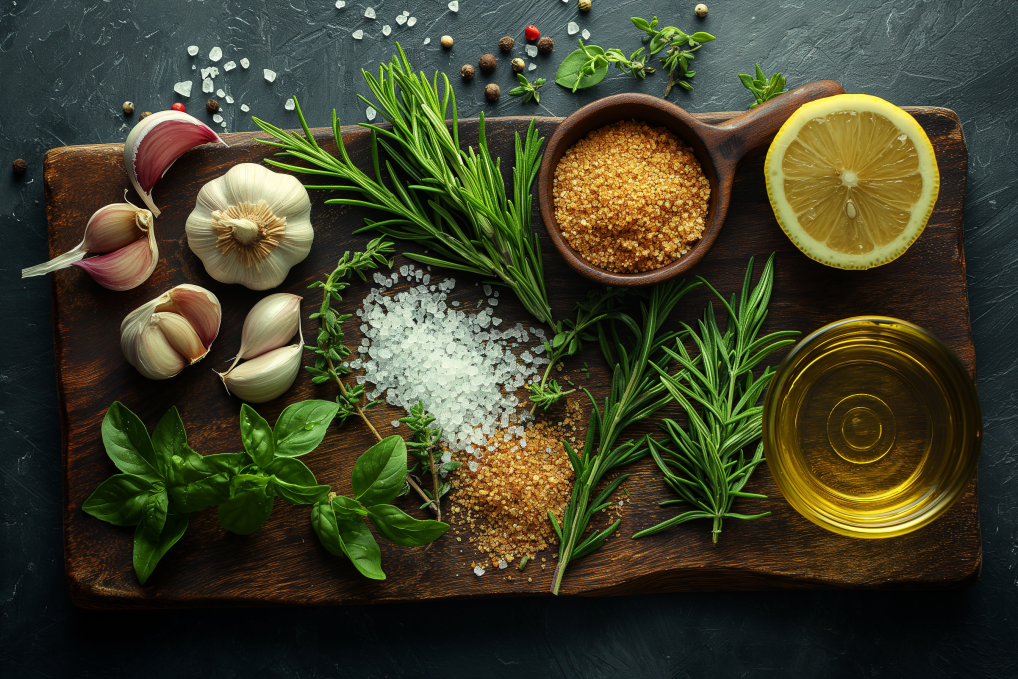
There’s a moment when a home cook becomes something more. When the food stops feeling homemade and begins to taste layered, intentional, and deeply satisfying. This isn’t a matter of talent or expensive tools. It’s technique, the small habits chefs use every day that transform ordinary ingredients into extraordinary meals.
The best part is that almost all of these techniques are simple, subtle, and completely achievable in your own kitchen. With just a few shifts in how you prep, season, and finish a dish, you can elevate your cooking in ways your dinner guests will swear came from culinary training.
Here are the techniques chefs rely on most and how you can make them your own.
Season Early and Often
Home cooks tend to season only at the end. Chefs season throughout the process.
A pinch of salt on vegetables before they roast
A sprinkle during sautéing
A final adjustment right before serving
Layered seasoning builds depth. It doesn’t make food saltier, it makes food taste alive.
Try it: Season at every major step, just lightly. Your dishes will immediately taste more balanced.
Use Heat Intentionally
Chefs use heat as a tool, not an afterthought.
High heat creates sear and browning
Medium heat builds body and softness
Low heat brings slow, deep flavor
When you understand how different heat levels affect food, you gain control over the entire dish.
Try it: Heat your pan fully before adding ingredients. Let food caramelize before flipping. And don’t fear a little char. It’s flavor.
Build a Flavor Base Before Anything Else
Nearly every restaurant dish begins with a base: onions, shallots, garlic, herbs, or spices gently cooked before liquids or proteins are added.
This simple step does two things:
• releases aromatic oils
• infuses flavor throughout the dish
Try it: Start with aromatics sautéed in oil or butter until fragrant. Even basic soups and pastas will taste richer.

Become Your Own Chef
✓ Weekly recipes
✓ Chef quality
Balance Is Everything
Great dishes balance salt, acid, fat, heat, and sweetness. Chefs constantly taste and adjust for harmony.
If something tastes flat, add acid
If something feels sharp, add fat
If a dish is too spicy, add sweetness
Try it: Keep lemon juice, sherry vinegar, butter, and honey within reach. They are instant fixers.
Use Finishing Touches Like a Chef
The secret to restaurant-level dishes often lies in the final minute.
A drizzle of good olive oil
A squeeze of citrus
Fresh herbs
A dusting of cheese
A spoonful of flavored butter
Finishing touches lift the dish, round out flavor, and make everything feel polished.
Try it: Add one finishing element to every dinner this week. It will change everything.
Contrast Is the Hidden Ingredient
Texture is just as important as flavor. Chefs always add contrast, pairing creamy with crunchy, warm with cool, silky with crisp.
Try it: Top creamy pasta with toasted breadcrumbs, roasted nuts, or crispy shallots. Add fresh herbs to rich stews. Texture is what makes a dish memorable.
Rest Your Food Especially Meat
Chefs know that heat continues to work even after a dish leaves the stove. Resting keeps juices inside proteins and helps sauces settle into harmony.
Try it: Let meats rest for several minutes before slicing. Let roasted vegetables cool slightly before serving. They taste better.
Make Your Mise en Place Non Negotiable
Mise en place means everything in its place. It’s the chef’s way of cooking without chaos.
Before cooking:
• chop everything
• measure everything
• organize everything
Try it: Prep fully before you turn on the heat. You will cook faster and feel calmer, like a chef.
Cooking Like a Chef Is About Intention, Not Perfection
Mastering these techniques isn’t about performing like a professional kitchen. It’s about understanding how flavor, heat, texture, and timing work together to create meals that feel composed, delicious, and joyful.
Start with one technique this week. Add another next week. Before long, your kitchen will feel different, and your cooking will reflect a level of confidence that transforms the way you approach every meal.